

Your basement is more than just a storage area, it can be a functional, stylish extension of your home. One of the most overlooked aspects of a basement renovation is the ceiling. The right ceiling can make your basement feel taller, brighter, and more inviting. In Maryland, where basements often serve as family rooms, home offices, or entertainment areas, selecting the best ceiling design can dramatically transform the space.
In this guide, we’ll explore the best basement ceiling ideas to suit every style, budget, and purpose. Whether you want a modern look, traditional charm, or industrial edge, there’s a ceiling option that will make your basement feel like a finished, comfortable part of your home.
Why Basement Ceiling Design Matters
Many homeowners focus on walls and flooring but overlook the ceiling. Yet, the ceiling plays a crucial role in:
- Aesthetic appeal: The ceiling sets the tone for the space.
- Height perception: Certain designs make a basement feel taller and more open.
- Lighting efficiency: Proper ceiling choices allow for better placement of recessed or ambient lighting.
- Concealing utilities: Beams, pipes, and ductwork can be hidden while maintaining easy access.
Choosing the right basement ceiling can turn a dark, uninviting basement into a warm, stylish retreat for your family.
1. Painted Drywall Ceiling
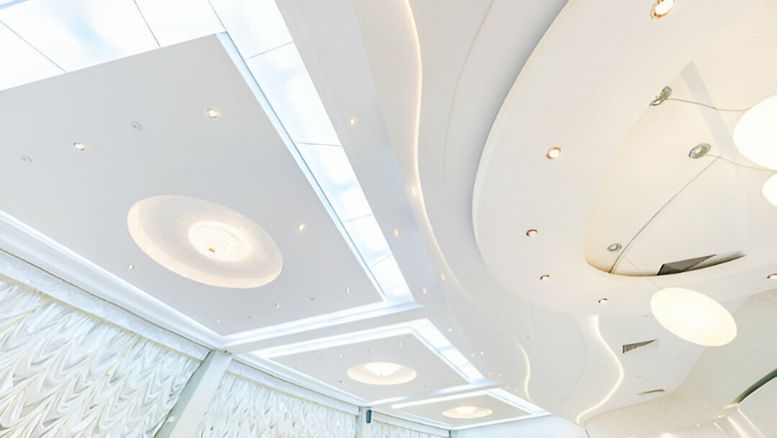
A painted drywall ceiling is one of the most popular choices for homeowners looking to create a clean, finished appearance in their basement. It delivers a smooth and uniform surface that blends seamlessly with modern interior designs. Whether you are finishing a basement for additional living space or updating an older area, drywall ceilings provide a polished and permanent look.
Benefits:
- Creates a smooth, seamless surface ready for any paint color.
- Pairs well with recessed lighting for a modern and well-lit appearance.
- Helps conceal minor imperfections in framing and structural elements.
Tips for Maryland Basements:
- Use moisture-resistant drywall (often called green board) to reduce the risk of mold in humid conditions.
- Choose a light paint color to make lower ceilings feel more open and spacious.
This ceiling option works especially well for homeowners who want a sleek, uniform basement design that feels like a natural extension of the main living areas of the home.
2. Exposed Beam Ceiling
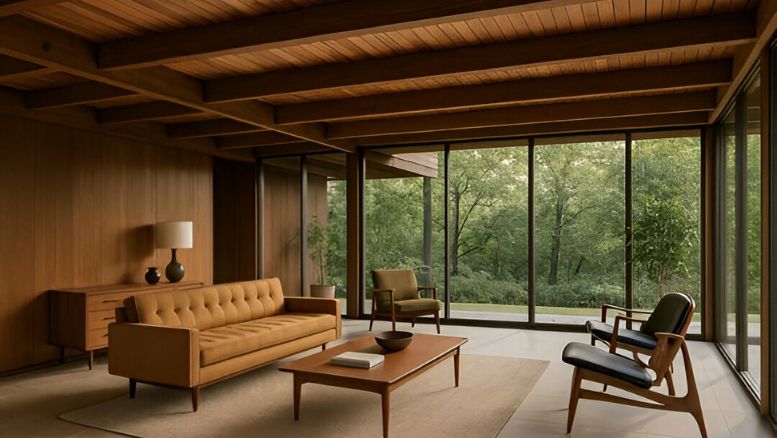
An exposed beam ceiling is a strong design choice for homeowners who want character and architectural depth in their basement. Instead of covering structural elements, this style embraces them, turning beams and framing into visual features. The result can range from industrial and modern to rustic and warm, depending on the finish and materials used.
In many Maryland basement renovations, exposed beams help transform a previously unfinished space into a design-forward living area with personality.
- Benefits:
- Adds architectural interest and texture.
- Creates a loft-style feel, making the basement look larger.
- Can highlight wood beams or metal framing for style contrast.
- Tips:
- Paint beams in a contrasting color for emphasis or blend with the ceiling for a subtle look.
- Ensure beams are structurally sound and free of water damage.
Exposed beams work well in Maryland homes where homeowners want a unique, warm, or industrial vibe in their basement renovation.
3. Drop Ceiling (Suspended Ceiling)
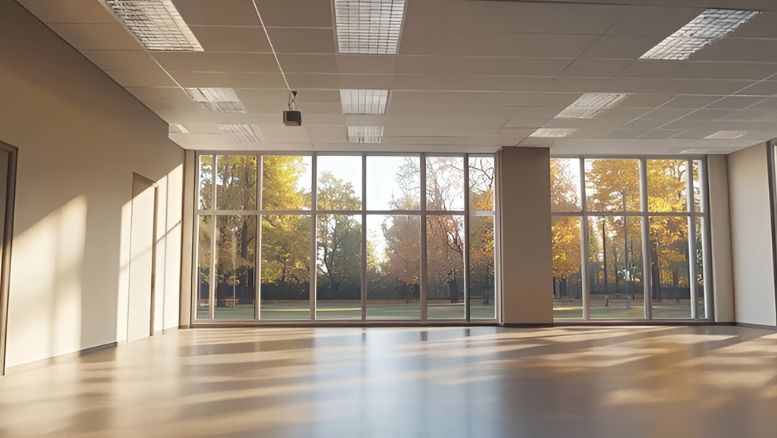
A drop ceiling, also called a suspended ceiling, is a practical and flexible option for finished basements. It features a metal grid system that holds removable ceiling panels below the main structure. This design creates a clean, organized appearance while allowing easy access to plumbing, electrical wiring, and ductwork.
- Benefits:
- Easy access to plumbing, ductwork, and wiring.
- Variety of tiles available: textured, wood-look, metallic, and more.
- Affordable and fast to install.
- Tips:
- Choose high-quality moisture-resistant tiles to prevent warping in damp basements.
- Use acoustic tiles to reduce sound from upper floors.
- Paint the metal grid for a modern touch.
4. Wood Plank or Tongue-and-Groove Ceiling
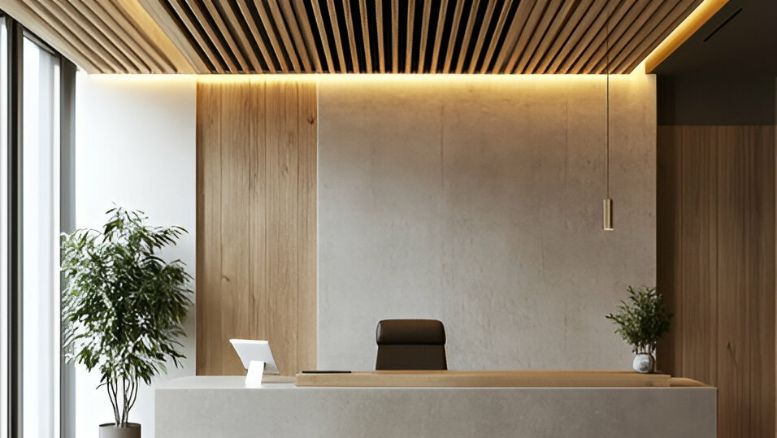
A wood plank or tongue-and-groove ceiling adds natural warmth and texture to a basement space. It creates a more inviting and finished look compared to standard drywall.
- Benefits:
- Creates a cozy, inviting atmosphere.
- Can be stained or painted to match home décor.
- Hides imperfections better than drywall in older basements.
- Tips:
- Use engineered wood or PVC planks for moisture-prone areas.
- Light wood colors make low ceilings feel more open.
This is a great choice for homeowners looking for modern basement ceiling ideas with natural appeal.
5. Beadboard Ceiling
A beadboard ceiling brings subtle texture and classic charm to a finished basement. With its narrow vertical panels and clean lines, beadboard works well in both traditional and coastal-style homes, adding character without overwhelming the space.
Benefits:
- Adds visual texture while maintaining a clean, bright look.
- Affordable and relatively easy to install compared to detailed ceiling systems.
- Can be painted in light tones to enhance brightness in low-light basements.
Tips:
- Use moisture-resistant MDF or PVC beadboard in humid basement environments.
- Pair with crown molding for a more polished and finished appearance.
Beadboard ceilings are ideal for homeowners who want a timeless design element that feels warm, simple, and refined.
6. Coffered Ceiling
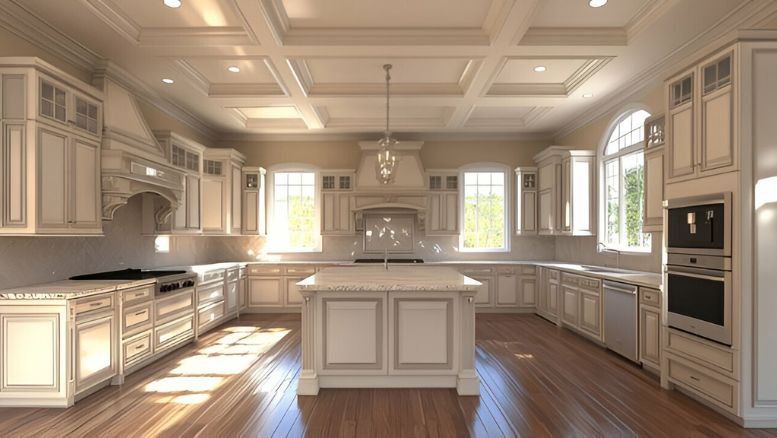
A coffered ceiling introduces depth and architectural sophistication to a basement, transforming a simple ceiling into a standout design feature. Even in lower-level spaces, this structured grid pattern can elevate the overall aesthetic and create a refined, finished look.
- Benefits:
- Offers a high-end, luxurious appearance.
- Creates visual interest and architectural detail.
- Can be paired with recessed or pendant lighting for dramatic effect.
- Tips:
- Use lightweight materials to avoid lowering ceiling height further.
- Paint the beams in a slightly darker shade than the infill to accentuate the design.
Coffered ceilings are ideal for entertainment rooms or home theaters where aesthetics matter.
Additional Tips for Maryland Homeowners
- Moisture Consideration: Maryland basements are often humid. Choose moisture-resistant materials and finishes.
- Lighting Matters: A basement ceiling should complement your lighting plan. Consider recessed lights, pendant lights, or LED strips.
- Access to Utilities: If you have plumbing or ductwork running through the ceiling, ensure it’s easily accessible for future maintenance.
- Professional Help: A contractor can help with design, materials, and installation for a polished, long-lasting result.
Choosing the Right Basement Ceiling ideas for You
When selecting your basement ceiling options, consider these factors:
- Purpose of the basement – Is it a gym, home theater, playroom, or office?
- Budget – How much are you willing to invest in ceiling materials and labor?
- Maintenance needs – Will you need to access pipes, cables, or HVAC systems?
Comparison Table: Basement Ceiling ideas
| Ceiling Type | Style | Access | Cost Range | Best For |
|---|---|---|---|---|
| Drywall | Smooth, modern | Low | $2 – $4 per sq. ft | Bedrooms, offices, living areas |
| Drop Ceiling | Practical, classic | High | $1 – $3 per sq. ft | Utility or multi-use spaces |
| Exposed Ceiling | Industrial, open | High | $1 – $2 per sq. ft | Workshops, modern styles |
| Wood Planks | Rustic, warm | Low | $3 – $7 per sq. ft | Lounges, family rooms |
| Beadboard | Classic, decorative | Low | $2 – $4 per sq. ft | Small finished spaces |
| Coffered Ceiling | Elegant, luxurious | Low | $8 – $15 per sq. ft | Formal basements, large spaces |
| Painted Ceiling | Simple, creative | High | $0.50 – $1.50 per sq. ft | Budget updates, creative use |
What kind of ceiling is best for a basement?
The best basement ceiling depends on your goals. A drop ceiling is ideal if you need access to plumbing and wiring. Painted drywall offers a clean, finished look, while acoustic panels are best for sound control. Moisture-resistant materials are recommended for long-term durability.
What is the cheapest way to cover a basement ceiling?
Painting an exposed ceiling is usually the most affordable option. It requires minimal materials and preserves ceiling height. Basic drywall is another budget-friendly choice if you want a more finished appearance.
How much would it cost to put a ceiling in a basement?
Costs typically range from $2 to $25 per square foot, depending on the material and complexity. Painted drywall and drop ceilings are on the lower end, while coffered or decorative ceilings cost more. Labor rates also impact total pricing.
What’s the cheapest way to finish a basement?
The most affordable approach is to keep the layout simple, paint exposed ceilings, use basic flooring, and avoid major structural changes. Prioritizing essential upgrades over decorative features helps control costs.
What can I use instead of drywall in my basement ceiling?
Alternatives include drop ceiling tiles, wood planks, PVC panels, metal tiles, or an exposed industrial finish. These options can improve moisture resistance and provide easier access to utilities.
What’s the lifespan of a basement ceiling?
A properly installed basement ceiling can last 20–50 years, depending on the material. Drywall and wood require maintenance in humid environments, while metal or PVC options often last longer with minimal upkeep.
Final Thoughts
Choosing the right basement ceiling ideas can completely transform your basement from dark and unfinished to a functional, stylish, and inviting space. From classic drywall to industrial exposed beams, coffered ceilings, and acoustic panels, there are options for every homeowner. Maryland homeowners should consider ceiling height, lighting, moisture, and utility access when selecting a ceiling design.
Whether your basement is a family room, entertainment space, or home office, investing in a well-designed ceiling elevates your home’s style and comfort.
Have Questions? Call Us Now!
We’re here to help—quick answers, friendly service, anytime you need!

